
Beef Vegetable Noodle Soup
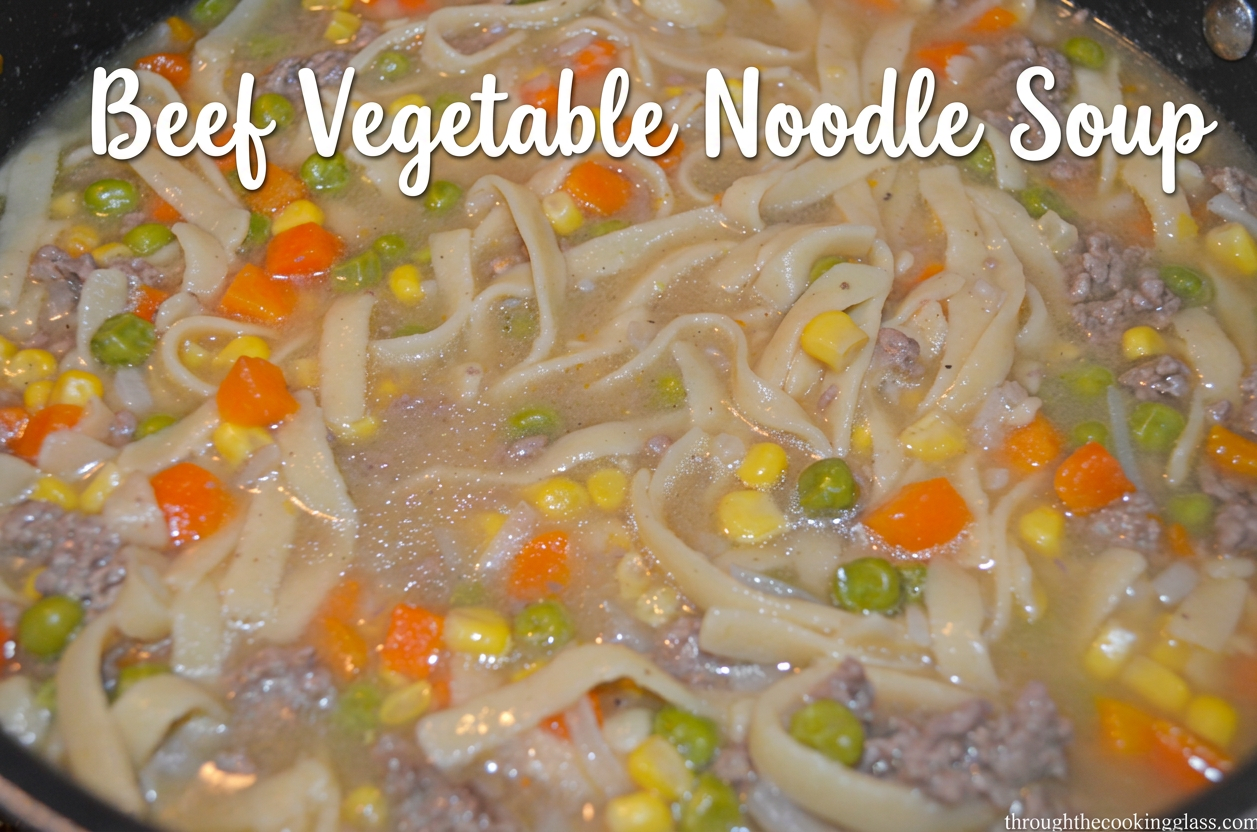
Talk about a hearty, stick-to-your-ribs bowl of comfort. Beef Vegetable Noodle Soup brings together savory ground beef, tender vegetables, and plenty of noodles in a rich, satisfying broth. It is the kind of one-pot meal that feels familiar from the first spoonful, yet it is flexible enough to use whatever vegetables you have on hand. I wasn’t sure whether the combination would turn out exactly as I pictured it, but it did—and it pleased both the hubs and the daughter. SCORE!
This recipe makes a generous batch on purpose. Soup is one of those meals that often tastes even better the next day, after the broth has had time to mingle with the beef and vegetables. A big pot also makes weeknight lunches and quick dinners easy. If you need less, scale the recipe to suit your household. If you are planning specifically for leftovers, keep in mind that noodles continue to absorb broth as they sit; the storage tips below will help you keep every bowl delicious.
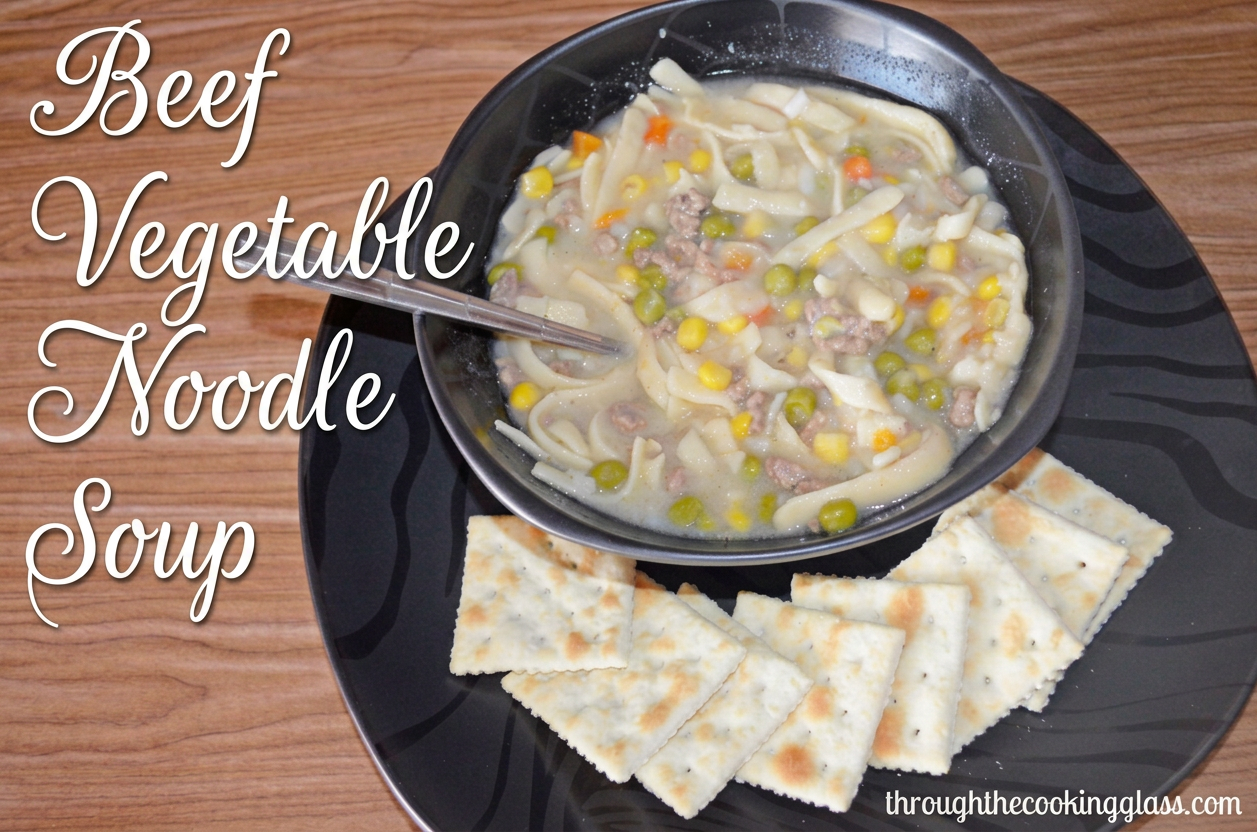
I know people who will eat this with a peanut butter and jelly sandwich. Won’t mention any names. You know who you are. Weird, right? I think it’s a weird combo, but whatever makes them happy!
Do you have something you like to eat with soup other than the typical crackers or bread?
Why This Soup Works
This soup delivers the best parts of several classic comfort foods in one bowl. Ground beef adds hearty flavor without requiring a long simmer, vegetables bring color and texture, and noodles make the broth feel substantial enough for dinner. Because the ingredients cook in stages, each one has a chance to contribute: browning develops savory flavor, the vegetables soften without disappearing, and the noodles finish the dish with just the right amount of bite.
It is also an easy recipe to customize. Use the vegetables listed in the recipe as your base, then add small amounts of other family favorites if you like. Corn, peas, green beans, diced zucchini, or leafy greens can all work well in a beef-and-noodle soup. Just consider cooking time: sturdy vegetables can go in earlier, while quick-cooking or frozen vegetables are best added closer to the end.
Fun Facts About Beef Vegetable Noodle Soup
- It is a choose-your-own-adventure meal. Beef, broth, vegetables, and noodles form a reliable foundation, but the final flavor can shift with the vegetables, noodle shape, herbs, or seasonings you choose.
- Browning matters. The golden bits left in the pot after cooking the beef are packed with flavor. Stirring the broth into the bottom of the pot helps lift those bits into the soup.
- Noodle shapes change the experience. Short noodles are easy to scoop up with vegetables and beef, while wider noodles make each bite feel extra cozy and substantial.
- Soup is a smart leftover dish. The flavor often deepens overnight, making a batch useful for meal prep—although the noodles may need special handling so they do not become too soft.
Tips and Tricks for the Best Bowl
Build flavor from the beginning
Let the ground beef brown rather than simply turning gray. Spread it out in the pot, allow it to make contact with the hot surface, and break it into bite-size crumbles as it cooks. If there is a large amount of excess grease, carefully drain it before adding the remaining ingredients, leaving just enough behind to help carry the flavor.
Cut vegetables evenly
Pieces that are close to the same size cook at a similar rate. Dice firm vegetables a little smaller than quick-cooking ones so everything becomes tender at about the same time. Avoid cutting the vegetables too tiny, or they may lose their texture during simmering.
Watch the noodles
Add noodles when the broth is simmering and cook just until tender. They will continue to soften slightly in the hot soup, so stopping at al dente helps prevent a mushy texture. Stir occasionally so the noodles do not settle or stick together. If the soup becomes thicker than you prefer, add a splash of broth or water until it reaches the consistency you like.
Taste at the end
Broth, canned vegetables, and seasoning blends can vary in saltiness. Wait until the soup has simmered and the noodles are cooked before making the final seasoning adjustment. A little black pepper or a sprinkle of fresh herbs can brighten the finished bowl without overpowering the comforting beef flavor.
Serving Suggestions
Beef Vegetable Noodle Soup is filling enough to stand on its own, but a simple side can turn it into a complete, cozy meal. Serve it with warm dinner rolls, crusty bread, cornbread, or buttery crackers for dipping. A grilled cheese sandwich is a classic partner, while a crisp green salad adds a fresh contrast to the rich broth.
For toppings, set out chopped parsley, sliced green onions, shredded Parmesan, extra black pepper, or a few crushed crackers. A small squeeze of lemon can add brightness if the broth tastes especially rich. For younger eaters, let the soup cool slightly and serve it in a wide bowl so the beef, vegetables, and noodles are easy to scoop.
And yes, if your household believes peanut butter and jelly belongs beside soup, this hearty bowl can handle that pairing too. I still think it is a little unusual—but comfort food is personal, and the best side dish is the one your family is excited to eat.
Storage, Freezing, and Reheating
Refrigerating leftovers
Let the soup cool, then transfer it to airtight containers and refrigerate it promptly. For the best texture, enjoy refrigerated leftovers within three to four days. If the noodles soak up some of the broth, stir in a little extra broth or water while reheating.
Keeping noodles from getting too soft
If you know you will have several meals left over, consider cooking the noodles separately. Store them in their own container and add a portion to each bowl before reheating. This keeps the noodles from absorbing too much liquid and lets you adjust the noodle-to-broth ratio for every serving.
Freezing
For the best results, freeze the soup base without the noodles because pasta can become soft after thawing. Cool the soup completely, portion it into freezer-safe containers, leave a little room for expansion, and freeze. Thaw overnight in the refrigerator, reheat gently, and add freshly cooked noodles before serving. If you freeze the finished soup with noodles already in it, expect a softer texture.
Reheating
Warm individual portions in the microwave in short intervals, stirring between each one, or reheat a larger amount in a saucepan over medium-low heat. Bring the soup to a steady simmer and heat it thoroughly before serving. Add extra liquid as needed and taste again for seasoning, since chilled soup may need a small finishing pinch of salt or pepper.
Other Soups to warm your soul…
Chicken and Dumplings – cuz it’s a soup too
ITEMS/INGREDIENTS USED IN RECIPE – If you are interested in any of the items I may have used (or are similar to the items I used) in making this recipe, I have listed some of them below. NOTE: These links are affiliate links of which I receive a small commission from the sale of certain item. This does not affect your price, it remains the same.
If you like this or any other dish on my site, please feel free to sign up for the weekly email where you can see what new recipe we have created over here. Just look over to the side and you’ll find the “sign up” button.
If you have any questions or see any “blooper” we made, please don’t hesitate to contact us. We’re all human.
This post may contain affiliate links. Please view my disclosure policy for more information.
Rock on!
~Bobbi

Beef Vegetable Noodle Soup
Equipment
- 4-6 Quart Sauce Pan
Ingredients
- 1 Lb Ground Hamburger Meat
- 8 Cups Water
- 1 Can (14.5 oz) Beef Broth
- 1 Can Sweet Whole Kernel Corn, undrained
- 2 Cups Peas & Carrots, Frozen
- 2 Cups Shredded Potatoes Hash Brown type
- 8 Oz Fettuccine, uncooked 1/2 package
- 2 Beef Buillon Cubes

Instructions
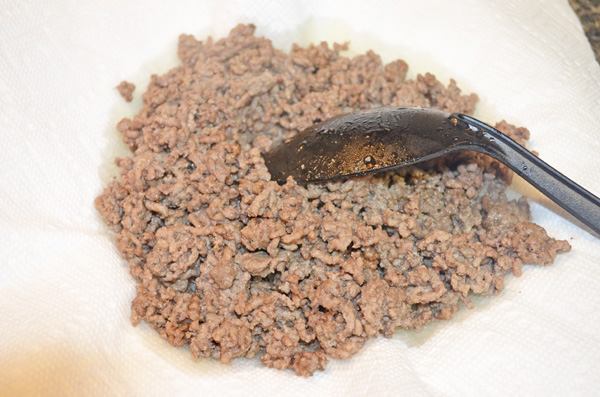
- Brown hamburger meat in a large pot. Drain. **You will use the same pot for the soup.
- Break fettuccine in 3rds.

- Add water, broth, bouillon cubes, corn, peas & carrots, potatoes, meat and fettuccine to the pot. Turn heat on high, cover and bring to a boil.
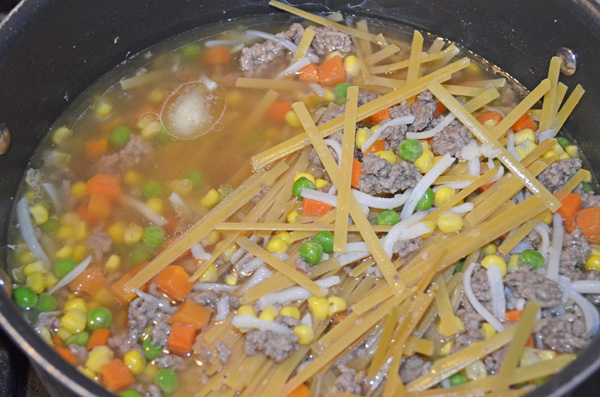
- Boil for 8 minutes, then reduce heat and simmer 30 minutes to an hour.

Notes
Nutrition


